
Gums a little puffy? Bleeding when you brush? You’re not alone—and you’re not stuck with it. Gum disease is common and highly manageable. With the right plan, you can stop progression, save teeth, and support overall health. Consider this quick, practical guide to what is gum disease, how it’s diagnosed, the most effective treatments for gum disease, and dental plan options to ensure that your gums stay healthy.
Overview
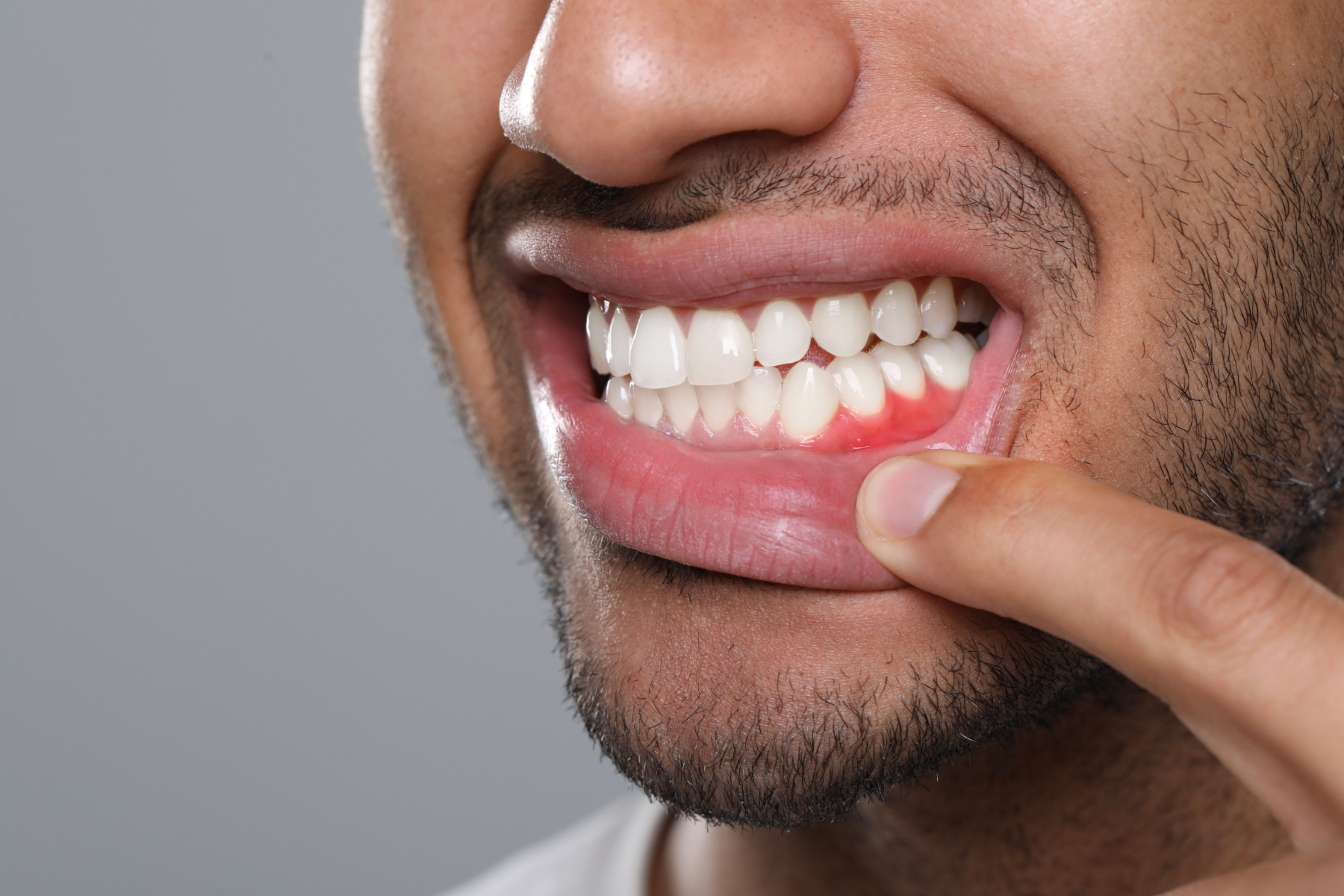
So, what is gum disease? Gum disease (periodontal disease) is inflammation and infection of the tissues that support your teeth. It starts as gingivitis—red, swollen gums that bleed easily. Left unchecked, it can advance to periodontitis, where gums and bone pull away from teeth and create pockets that harbor bacteria. Over time, those pockets can damage bone and connective tissue and lead to tooth loss.
The good news: early care works. Gingivitis is usually reversible with a professional dental cleaning that removes plaque and tartar buildup, combined with consistent brushing and flossing at home. If periodontitis has set in, early intervention can preserve bone, reduce the need for surgery, and protect your smile. Effective treatments for gum disease exist at every stage.
Oral health impacts overall health, too. Research links periodontal disease with diabetes, heart disease, stroke, adverse pregnancy outcomes, and rheumatoid arthritis. Inflammation from gum disease may worsen these conditions, and poorly controlled diabetes can make it harder to manage gum disease. Treating your gums supports whole-body wellness.
Symptoms and Causes
Symptoms change as the condition advances:
- Gingivitis: red or swollen gums, bleeding when brushing or flossing, tenderness, and persistent bad breath.
- Periodontitis: gum recession, deep pockets, loose or shifting teeth, changes in your bite, pain when chewing, and pus along the gumline.

Q: What's the difference between gingivitis and periodontitis
A: The distinction between both stages and diagnoses is bone loss. Gingivitis is reversible and has no bone loss, whereas periodontitis has bone loss and is irreversible.
Risk factors include inadequate oral hygiene, smoking or vaping nicotine, diabetes (especially if uncontrolled), medications that reduce saliva or enlarge gums, hormonal shifts (pregnancy, menopause), genetic susceptibility, stress, poor nutrition, mouth breathing, and ill-fitting dental work. A prior history of periodontal disease also raises risk.
Here’s the cycle: plaque forms every day. If it isn’t removed, it hardens into tartar (calculus) above and below the gumline. Bacteria in plaque and tartar drive inflammation that breaks down the attachment between gums and teeth. Daily brushing, interdental cleaning, and professional care break that cycle.
How Gum Disease is Tested – Step by Step
- 1. Care begins with a comprehensive periodontal evaluation. General dentists treat gingivitis and periodontal disease for the majority of patients, however, depending on the stage of gum disease and the treatment complexity, a referral may be given to a periodontist who is specialized in the prevention, diagnosis, and treatment of periodontal disease.
- 2. The appointment typically includes a review of your medical history, discussion of symptoms such as bleeding gums or loose teeth, and questions about home care habits and risk factors like tobacco use or diabetes.
- 3. During the clinical exam, the provider measures periodontal pocket depths using a small probe. Healthy gums usually measure 1–3 mm, while deeper pockets may indicate inflammation and attachment loss.
- 4. The dentist will also document gum recession, bleeding on probing, plaque levels, tooth mobility, and furcation involvement (areas where tooth roots divide).
- 5. Dental X-rays (radiographs) are taken to evaluate bone levels and confirm, where and to what extent bone loss has occurred. Bitewing or periapical images help assess the bone surrounding the tooth roots.
- 6. In certain cases—especially if the disease is not responding as expected—additional tests may be recommended, such as bacterial sampling, saliva tests to measure inflammation, or 3D imaging.
- 7. An accurate diagnosis allows the provider to create a targeted treatment plan for gum disease and establish a baseline to monitor progress over time.
Looking for a periodontist? Use our online Find a Dentist tool.
Management and Treatment
Non-surgical therapy is where most people start. Scaling and root planing (SRP)—often called a dental deep cleaning—removes plaque and tartar above and below the gumline and smooths root surfaces so gums can reattach. SRP is usually completed one quadrant of your mouth at a time over several visits. After healing, your provider will re-evaluate pocket depths and bleeding to measure improvement.
Adjunctive antimicrobial care can boost results. Options may include prescription antimicrobial mouthrinses (like chlorhexidine), locally delivered antibiotics placed into periodontal pockets, or short courses of systemic antibiotics for specific infections. Low-dose doxycycline may be used to reduce destructive enzymes rather than kill bacteria. Your dentist for gum disease will tailor these therapies to disease severity and your medical history.
Surgical treatments are considered for advanced disease or when deep pockets persist after non-surgical care. Common procedures include:
- Flap surgery (pocket reduction): lifting the gums to access and clean roots and reshape bone, then suturing to reduce pocket depth and make areas easier to clean.
- Regenerative procedures: bone grafts, guided tissue regeneration membranes, and biologic materials (such as enamel matrix derivatives) to rebuild lost bone and attachment where possible.
- Soft-tissue grafts: adding gum tissue to cover exposed roots, reduce sensitivity, and strengthen thin or receded gums.
- Crown lengthening: reshaping gum and bone to expose more tooth structure for restorative needs and to improve gum and bone architecture for hygiene.
Periodontal maintenance keeps results on track. This is not a standard cleaning. Periodontal maintenance is a customized, ongoing program usually every 3–4 months to control bacterial levels and prevent recurrence. Visits typically include:
- Review of medical and dental history and risk factors
- Assessment of gum health, with pocket measurements and bleeding scores
- Removal of plaque and tartar above and below the gumline with specialized instruments
- Reinforcement of home care techniques and updates to your personalized plan
- Monitoring of mobility, recession, and radiographic bone levels as needed
Why the frequency? Harmful bacteria can repopulate pockets within weeks. More frequent periodontal maintenance appointments help keep bacteria in check and protect your treatment gains. Skipping visits raises the risk of relapse. If you’re searching for treatments for gum disease that last, pairing a dental deep cleaning with consistent maintenance is non-negotiable.
Dental Coverage for Gum Disease and Periodontal Maintenance
Delta Dental of Washington has several great options for individuals with gum disease.
For individuals shopping for their own coverage, the Delta Dental – Premium Plan is a strong option because it helps cover both the initial treatment and the ongoing care needed to keep the condition stable. The Premium Plan offers our highest periodontal maintenance coverage and is our only plan that includes 50% coverage on three periodontal maintenance cleanings per benefit year. Additionally, the Delta Dental - Premium Plan, Plus Ortho Plan, Ascent Plan, and Enhanced Plan all include coverage for scaling and root planing.
For employers, most of our small business dental plans (all except Delta Dental PPO— Patient Essentials) cover periodontal maintenance as a Class I benefit, which means it’s covered the same way as preventive care. To go a step further, the Delta Dental PPO - Maximum Wellness Plan rewards employees who keep up with their preventive visits by increasing their annual maximum over time. The maximums for these plans increase by $250 each year you hold the plan and, in some cases, can reach as high as $2,500 for our highest annual plan maximums. These increases are particularly valuable when you consider that regular periodontal maintenance – like annual cleanings – are covered no matter what and don’t count toward your maximums. Periodontal disease isn’t a one-time issue — it requires deep cleanings (scaling and root planing) to treat active infection, followed by regular periodontal maintenance visits every three to four months to prevent recurrence and protect against further bone loss.
| Approach | Best for | What to Expect |
|---|---|---|
| Dental deep cleaning (Scaling and Root Planing) | Diagnosis of periodontal disease | 1–4 visits by quadrant; improve d bleeding and pocket depths after 4–8 weeks |
| Adjunctive antimicrobials | Persistent pockets, specific bacterial profiles | Prescription rinses, local antibiotics, or short systemic antibiotics as indicated |
| Surgical therapy | Advanced periodontal disease diagnoses and/or nonresponsive areas | Pocket reduction, regenerative procedures, osseous surgery, or grafts to restore health and access |
| Periodontal maintenance | After active treatment, long-term stability | 3–4 month intervals to control bacteria and monitor healing |
Delta Dental of Washington and Your Total Health
Some existing heart health issues are qualifying conditions for Delta Dental of Washington’s TotalHealth Wellness Program. Because dental health is one part of your overall health, we offer the TotalHealth Wellness Program which provides expanded coverage – including more annual cleanings – to members in participating employer-sponsored plans who experience other health issues that may be connected to their dental health. Learn more and see if you are eligible!.
Quick Answers
How long does treatment take?
Mild gingivitis can improve within one to two weeks with good home care and a professional cleaning. For periodontitis, a dental deep cleaning is usually completed over one to four visits, followed by re-evaluation at four to eight weeks, and ongoing periodontal maintenance every 3–4 months. Advanced cases may need surgery, followed by ongoing periodontal maintenance.
Can gum disease be cured?
Gingivitis can often be reversed. Periodontitis is chronic—it can be controlled, not cured. With effective treatments for gum disease and consistent periodontal maintenance, most people can stop progression and keep their teeth long term.
What if I do nothing about my gum disease?
Untreated gum disease can lead to receding gums, loose teeth, bone loss, and tooth loss. It’s also associated with increased systemic inflammation that may affect overall health. Early diagnosis, a targeted plan, and regular periodontal maintenance are the safest path forward.
Does Delta Dental of Washington cover treatments for gingivitis and gum disease?
Yes, we do. However, coverage varies by procedure, clinical criteria, and step therapy requirements.
For those looking to self-purchase an Individual and Family plan for themselves and their family, consider these options:
- The Delta Dental - Premium Plan offers our highest periodontal maintenance coverage and is our only plan that includes 50% coverage on three periodontal maintenance cleanings per benefit year
- The Delta Dental - Premium Plan, Plus Ortho Plan, Ascent Plan, and Enhanced Plan all include coverage for scaling and root planing.
For employers, looking for a group plan:
- Most of our small business plans (all except Delta Dental PPO— Patient Essentials) cover periodontal maintenance as a Class I benefit.
